
Longevity vs. Intensity: Training for Your 80-Year-Old Self
Introduction
Imagine your future self at eighty — walking freely, moving without pain, and living independently. This vision is not built through extreme workouts but through longevity training — a smarter, sustainable approach to fitness focused on long-term function, not short-term intensity.
Modern fitness often celebrates intensity, speed, and exhaustion. But true health is built through consistency, mobility, strength, and recovery. This long-term fitness approach prepares your body for life, not just for workouts.
Longevity vs Intensity: The Real Difference
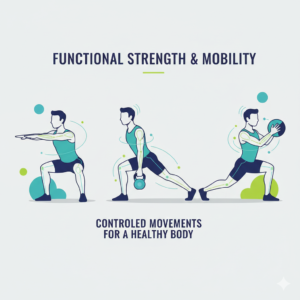
High-intensity fitness improves short-term performance but may increase stress, fatigue, and injury risk when overused. Longevity training focuses on:
-
Joint health
-
Sustainable strength
-
Mobility and flexibility
-
Recovery and balance
This approach protects your body while steadily improving performance.
The Pillars of Longevity Training
1. Strength for Daily Life
Functional strength protects bones, muscles, and posture.
2. Mobility and Flexibility
Maintains pain-free movement and joint health.
3. Cardiovascular Endurance
Supports heart, lungs, and energy stability.
4. Recovery and Sleep
Recovery is where adaptation happens.
5. Consistency Over Intensity
Small daily effort beats occasional extreme effort.
Why Training for Longevity Matters
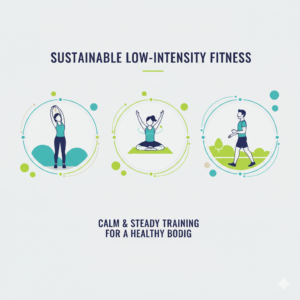
Longevity training improves:
-
Muscle preservation
-
Bone density
-
Balance and coordination
-
Injury prevention
-
Long-term independence
It prepares your body for decades, not just seasons. Research shows regular strength and mobility training supports healthy aging and independence.
Signs You Are Training for Longevity
-
Workouts feel sustainable
-
Energy remains stable
-
No chronic pain or fatigue
-
Recovery improves
-
Movement becomes smoother
How to Start Longevity Training Today
-
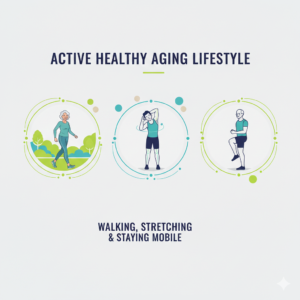
Focus on controlled strength exercises
-
Add daily mobility work
-
Walk regularly for endurance
-
Prioritize recovery and sleep
-
Avoid extreme overtraining
To build automatic healthy routines, read our guide on Healthy Habits Without Willpower.
Long-Term Benefits of Sustainable Fitness
-
Healthy aging and mobility
-
Reduced injury risk
-
Sustainable strength
-
Better balance and coordination
-
Lifelong independence
Conclusion
Fitness is not about exhaustion — it is about preparation for life. Through smart long-term fitness, you invest in strength, mobility, and health. Train today for the life you want tomorrow.